
Water Supply Services
The right supply for the task ahead. Water Supply Services
Water delivery planned around its purpose, volume, and point of use.
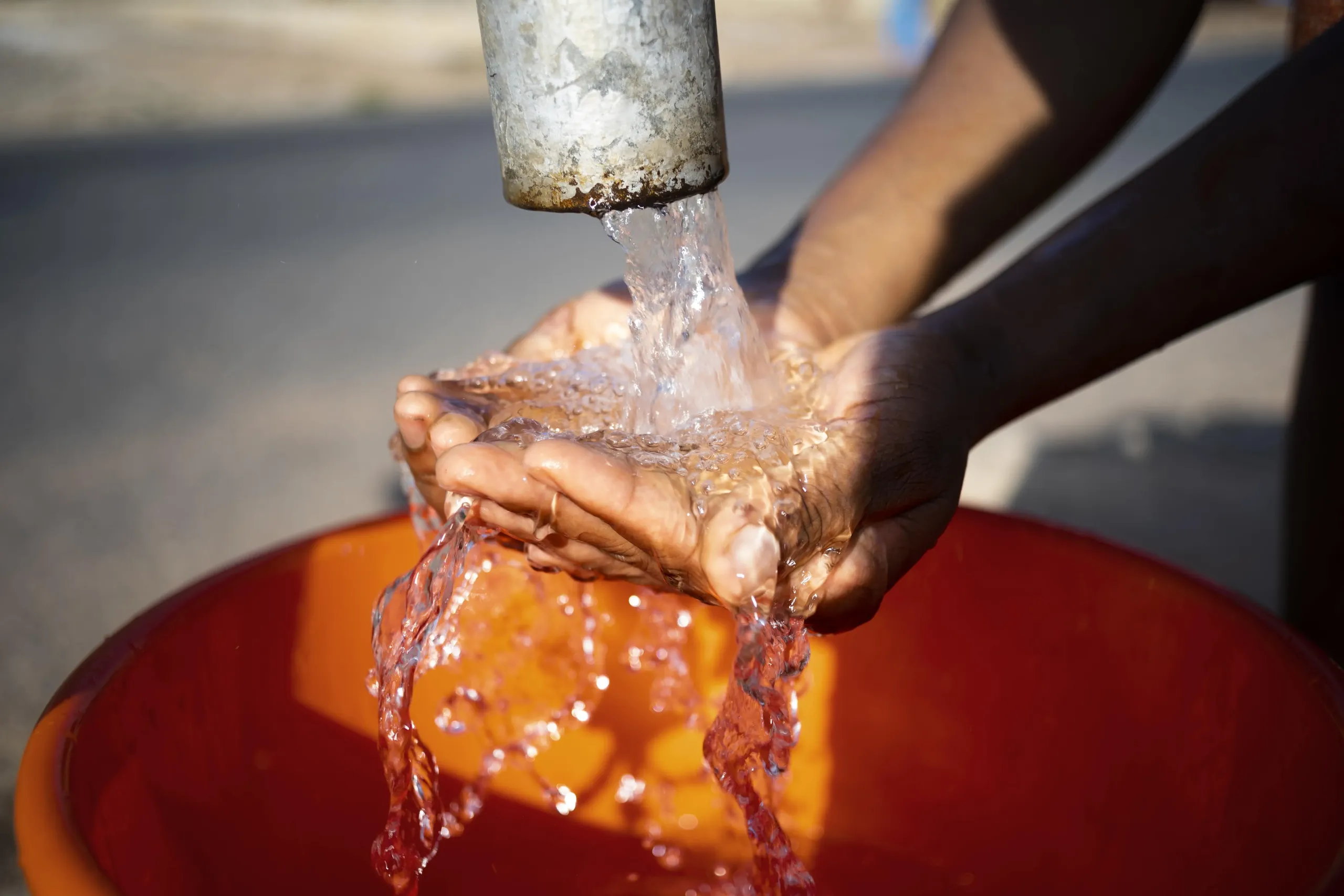
Clean Earth's water supply service helps clients organise deliveries for defined project and operational requirements. Reliable planning begins with understanding how the water will be used. Construction activity, site maintenance, landscaping, cleaning, and other applications can call for different water quality, volumes, and handling arrangements. We review the intended use before developing a supply proposal so that the service addresses the actual requirement.
The delivery itself is only one part of the process. Access for the delivery vehicle, receiving storage, connection arrangements, discharge location, and site supervision all influence a successful supply. Clean Earth brings these practical details into the planning conversation. Whether you need a single delivery or a recurring schedule, share your expected consumption, location, and timing so we can assess a suitable arrangement.
Define the application first
Water should be specified for its intended purpose rather than treated as interchangeable across applications. A construction activity may have a technical specification, an irrigation system may have quality limits, and a cleaning operation may have particular requirements for the surfaces or equipment involved. The client should identify the relevant standard or acceptance criteria at the enquiry stage.
Clean Earth can then review the proposed supply basis against that brief. Drinking water or any use involving human consumption requires explicit confirmation of potable water suitability, source, handling, and supporting documentation before acceptance. An ordinary water supply enquiry should not be assumed to include those conditions. Clear identification of the application gives the client and supplier a shared starting point and helps prevent an unsuitable delivery from reaching the point of use.
Water for construction and site activities
Construction projects can need water for several activities during different phases of the programme. Depending on the approved specification, these may include curing, dust suppression, cleaning, compaction related work, or other site processes. The amount and delivery pattern should reflect the activity, working conditions, available storage, and the rate at which water will be used.
We encourage clients to provide the application requirements and discuss any relevant technical restrictions before ordering. Water intended for a particular construction process should be accepted by the responsible project team. A staged supply plan can help align deliveries with the work sequence and reduce the chance of water arriving before the receiving area is ready. Where several activities draw from the same storage, their combined demand should be considered when estimating the required delivery volume.
Landscaping and operational requirements
Landscaping and facility activities can have recurring water needs that change with the season, operating pattern, and type of installation. The required quality and volume depend on the application and should be confirmed by the responsible client team. Irrigation, cleaning, and other operational uses may require different planning even when deliveries are made to the same property.
A useful enquiry explains how water is consumed, what storage is available, and which times are suitable for delivery. Where there are sensitive areas, public access, or operating restrictions, these should be communicated in advance. Clean Earth can discuss a supply schedule around the agreed requirement. The objective is to support the client's operation with deliveries that match the receiving arrangements and expected consumption, rather than relying on a fixed frequency that may not reflect actual demand.
Estimating volumes and scheduling deliveries
Volume planning should start with the client's expected usage and the usable capacity of the receiving tank or system. Existing water levels, minimum operating reserve, delivery frequency, and access windows all matter. A tank's nominal size may differ from the volume that can safely be received at a particular time. The receiving team should confirm the available capacity before discharge begins.
For recurring supply, consumption records can help refine the schedule. Changes in site activity, staffing, weather, or working hours may affect demand and should be communicated promptly. Deliveries can be reviewed as the project progresses rather than treated as a static arrangement. Clean Earth can discuss planned and additional requests, with availability and timing confirmed for each booking. This approach helps clients manage continuity while avoiding unnecessary deliveries or excess water at the receiving location.
Access, discharge, and receiving arrangements
The delivery location should provide suitable access for the agreed vehicle and a controlled area for discharge. Gate dimensions, ground condition, turning space, overhead clearance, and proximity to other work can influence the arrangement. If the vehicle needs an induction, permit, escort, or timed entry, the requirements should be established before dispatch.
Connection and discharge details are equally important. The client should identify the receiving point, required hose reach, any connection specification, and the person responsible for supervising receipt. Storage should be accessible and in an appropriate condition for the intended use. Discharge should be controlled to reduce overflow, pooling, and interaction with nearby activities. Where access or connection details are unusual, a preliminary review may be needed. Agreeing these practical points early helps make the delivery more orderly and easier to coordinate.
Quality and documentation
Quality requirements should be recorded in the supply brief and reflected in the agreed delivery arrangement. Depending on the intended use, relevant information may include source details, specified water characteristics, testing requirements, transport conditions, or delivery records. These requirements vary by application and need to be confirmed before the supply is accepted.
Clients should identify which evidence their procurement or technical team requires, including whether testing must be performed by a designated laboratory or within a particular timeframe. Clean Earth can clarify what documentation is available for the proposed arrangement. A delivery note can support the agreed record of date, location, and quantity, but it does not by itself establish suitability for every use. The responsible client team should review the quality information against the actual application and its acceptance criteria.
Storage hygiene and water conservation
Receiving storage affects the quality and usability of the water after delivery. Tanks, connections, and distribution arrangements should be suitable for the intended application and maintained by the responsible party. Open access points, contamination, unsuitable pipework, or mixing with a different supply can undermine an otherwise appropriate delivery. The client should review these conditions before scheduling receipt.
Water efficiency also depends on the way the supply is stored and used. Leaking valves, uncontrolled hoses, overflowing tanks, and poorly timed deliveries can create avoidable losses. Monitoring levels and assigning a receiving contact are practical ways to improve control. Where the application permits, clients can review usage patterns to identify unnecessary consumption. Clean Earth supports clear delivery planning so that the requested volume has a defined destination and can be used for the purpose for which it was ordered.
A service connected to your wider project
Water supply may be one of several services supporting the same work area. Material deliveries, equipment movements, contracting activity, and waste collections can compete for access and space. Discussing these requirements together helps identify potential conflicts in the programme and allows the client to plan vehicle attendance more effectively.
Clean Earth's wider service offering can be considered where the project needs coordinated transport, general contracting, material trading, waste management, or scrap collection. Each activity retains its own scope and acceptance requirements. For water supply, the application, quality, volume, and receiving arrangements remain central to the proposal. The advantage of a wider planning conversation is that delivery timing can reflect the actual site sequence, reducing the chance that several service movements arrive at a restricted access point at once.
Requesting a useful supply proposal
Include the intended use, required water specification, estimated volume, delivery address, preferred date, and whether the requirement will repeat. Provide information about the receiving tank, available capacity, access conditions, hose or connection requirements, and the contact supervising receipt. Photographs of the delivery area can help explain restrictions that may be difficult to describe.
Where continuity is important, explain your normal consumption and minimum reserve so that the delivery pattern can be discussed realistically. Tell us which records or quality documents your team requires before supply. The quotation can then define the proposed service, assumptions, responsibilities, and commercial terms. Any change in application, location, or quality requirement should be reviewed before delivery so that the agreed arrangement continues to suit the job.
Frequently asked questions
Can you arrange recurring water deliveries?
Recurring requirements can be discussed around your consumption, storage, and access windows. Share the anticipated volume and frequency so that availability and the proposed schedule can be confirmed for your location.
Is the water suitable for drinking?
Potable supply must be expressly specified and confirmed, including the relevant source, handling, and quality documentation. Do not assume that water supplied for construction, landscaping, or another technical use is suitable for consumption.
What must be ready before delivery?
Provide safe vehicle access, a suitable receiving point, confirmed storage capacity, and an authorised contact to supervise receipt. Any special connection, induction, or entry requirement should be agreed before dispatch.
Can the volume change between deliveries?
Yes, subject to review and confirmation of the revised booking. Share changes early so that the delivery plan can be adjusted to your available storage, anticipated usage, and the agreed supply arrangement.
Arrange water around your operation
Contact Clean Earth with your application, quality requirements, and delivery details. We can help develop a practical water supply proposal with clear expectations for the volume, receiving arrangements, and delivery schedule.
Connected services
Support for the wider project.

General Transportation
Materials and equipment, moved with practical planning from collection to handover.
Explore General Transportation
General Contracting
Defined work packages, coordinated resources, and a clear route from preparation to completion.
Explore General Contracting
Material Trading
Material sourcing and supply arrangements built around the approved specification and your programme.
Explore Material TradingLet’s plan your next step.
Share your scope, location, and preferred timing. We will review the details and develop a service proposal.