
Scrap Collection & Trading
A practical route for your surplus materials. Scrap Collection & Trading
Turn a stockpile of scrap into a clearly defined collection and trading arrangement.
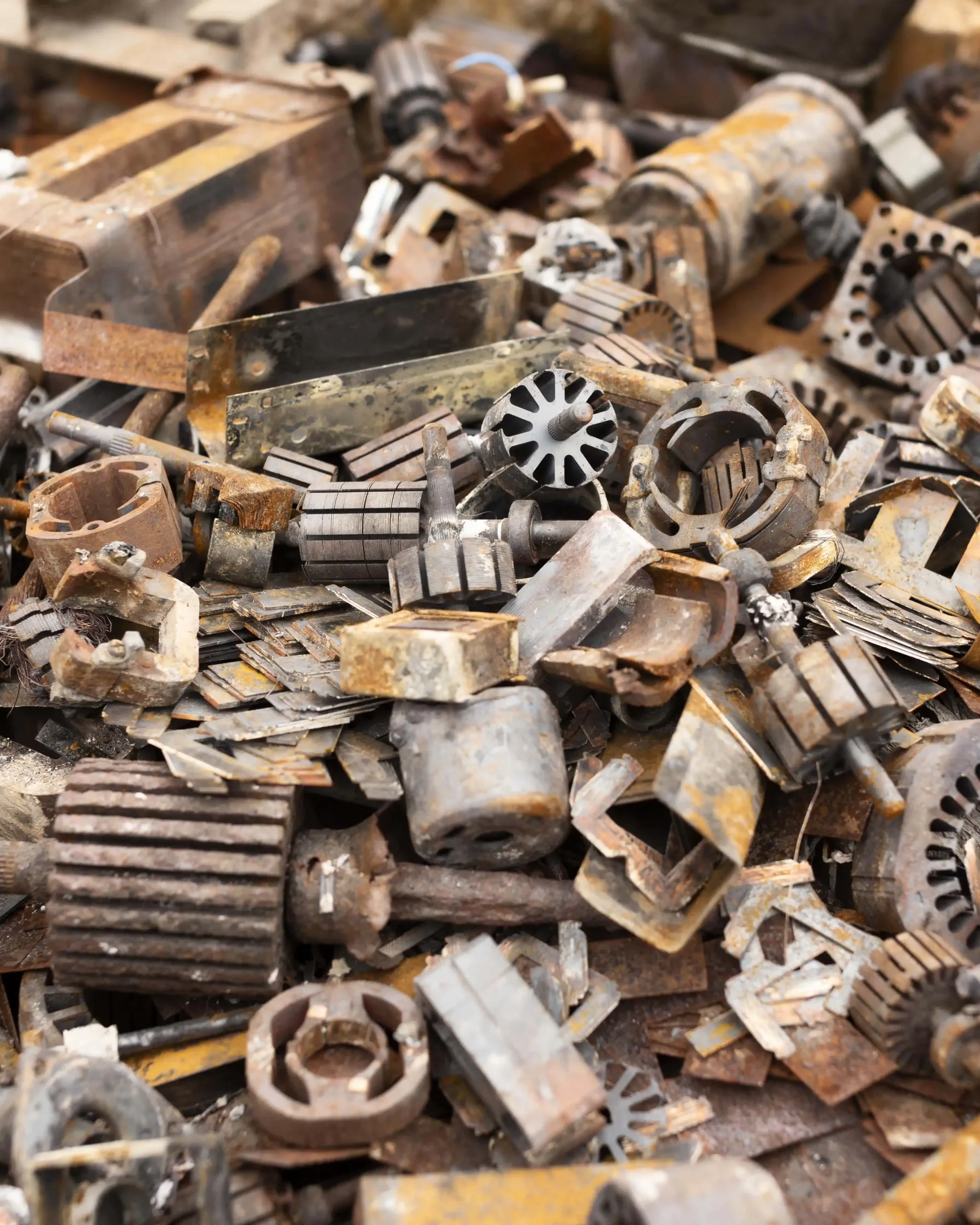
Clean Earth's scrap collection and trading service helps businesses assess surplus material, organise removal, and agree a commercial basis for accepted scrap. Scrap can arise from fabrication, maintenance, construction, equipment replacement, or the clearance of stored items. Understanding what is available is the first step towards a suitable collection plan and a useful valuation.
We focus on the practical details that determine the arrangement: material type, grade, quantity, condition, ownership, loading access, and the intended receiving route. A clear brief allows both parties to understand what is being offered and which services are required. Whether you have a single clearance or a recurring scrap stream, send the material information and site details so Clean Earth can review acceptance and develop a proposal.
Identify the material before valuation
Scrap is not a single category with a uniform price. Ferrous metals, non-ferrous metals, mixed assemblies, and materials containing non-metal components can have different recovery routes and commercial characteristics. Within each category, grade, composition, condition, and contamination may affect acceptance. Accurate identification makes the valuation discussion more meaningful.
Start with a description of the items and how they were generated. Photographs of the overall stockpile and close views of representative pieces can help explain the material. Where available, grade information, previous purchasing records, or technical specifications can provide additional context. Clean Earth reviews the information against the proposed trading arrangement. Mixed, unidentified, or specialist items may require further inspection before a price or collection can be confirmed. A preliminary estimate should therefore be distinguished from an agreed commercial offer.
Sorting and preparation at the site
Keeping scrap types separate can make assessment easier and may preserve the value of identifiable grades. When suitable for the site, ferrous and non-ferrous materials can be held separately, while different known grades can be kept distinguishable. Clean, accessible stock also makes it easier to estimate quantities and plan loading without repeatedly moving the same material.
Preparation should remain within the site's safe working arrangements. Do not cut, dismantle, drain, or disturb items simply to prepare a collection unless the work has been properly assessed and authorised. Closed containers, residual liquids, sharp edges, unstable stacks, and heavy assemblies can introduce hazards. Explain these conditions during the enquiry. The agreed collection scope should state the condition in which scrap will be presented and which party provides any additional handling or preparation required before loading.
Clear ownership and release authority
Scrap offered for trading should have a clear owner and an authorised person who can approve its release. This is particularly important where materials come from a project involving several contractors, a leased facility, or replaced equipment that remains on an asset register. An item being unused does not automatically mean that it is available for sale.
The client should confirm the authority to dispose of the material and identify any internal release, security, or asset management procedures. Collection references and agreed descriptions help connect the outbound load to the approved transaction. Where supporting documents are required, they should be identified before booking. Clean Earth can discuss the relevant handover arrangements as part of the proposal. Clear release instructions protect the client from confusion and allow the collection team to work from a defined list of accepted items.
Collection planning and loading arrangements
The location and presentation of scrap influence the collection method. Loose pieces, long sections, heavy components, and mixed stockpiles may require different handling resources. Vehicle access, loading space, surface condition, overhead obstructions, and nearby operations all need consideration. Photographs of the access route and stock location can help explain these conditions during planning.
The service proposal should define who provides lifting equipment, loading personnel, segregation, and supervision. Where scrap is spread across several areas, the client should identify whether it will be consolidated before collection. Any lifting, cutting, or dismantling activity needs its own assessment and agreed scope. Clean Earth's transportation service can be discussed where it supports the movement. A collection plan built around the actual material and site conditions helps reduce unnecessary handling and improves coordination on the day of removal.
How scrap value is assessed
Scrap value can depend on material type, grade, recoverable content, quantity, contamination, preparation, collection cost, and prevailing market conditions. Two stockpiles that look similar may have different commercial values because their composition or handling requirements differ. A useful offer explains the basis on which the material will be accepted and valued.
Clean Earth can review the available information and clarify whether further inspection or measurement is required. Any quotation should identify the agreed grade, quantity basis, relevant deductions or service charges, and the period for which the offer applies. Market dependent prices should be reconfirmed as required by the agreed terms. We do not publish a universal rate or guarantee that every item has a positive trading value. The commercial arrangement is established for the specific material and collection scope.
Weight, measurement, and transaction records
Measurement should be agreed before the material leaves the site. Estimated quantities may be useful for planning, but the settlement basis may depend on a confirmed weight or another defined method. The proposal should explain where measurement takes place, which records support it, and how mixed or excluded material will be treated.
Clients should understand the difference between gross load weight, vehicle tare, and net material weight where weighing is used. Relevant tickets, collection references, and material descriptions can help connect the measurement to the transaction. Commercial terms should also establish how the final value is calculated and when settlement is due. Recording these points in advance makes the process more transparent. It gives both parties a common reference if the actual quantity or composition differs from the estimate provided during the enquiry.
Specialist and restricted items
Not every metal containing item is suitable for an ordinary scrap collection. Batteries, electrical equipment, pressurised cylinders, sealed vessels, oily components, contaminated materials, and items containing hazardous substances may require separate assessment or specialist handling. Ownership restrictions and decommissioning requirements can also affect whether an item is available for release.
Provide full information before including such materials in an enquiry. Equipment should not be treated as safely decommissioned merely because it is no longer in use. Isolation, draining, cleaning, dismantling, and certification responsibilities need to be established where relevant. Clean Earth reviews acceptance against the actual item and proposed route. Materials outside the confirmed scope must remain separate. This prevents a mixed collection from creating handling problems or being unsuitable for the intended receiving facility and commercial arrangement.
Recovery and responsible material use
An appropriate scrap route can support the recovery of useful materials and reduce the amount entering a mixed waste stream. The practical outcome depends on material composition, contamination, sorting, and the receiving process. Keeping accepted scrap identifiable can help maintain the options available, while mixing incompatible material may reduce recoverability or increase preparation requirements.
Clean Earth discusses the receiving arrangement as part of the service scope. Any recycling or recovery claim should relate to the specific material and be supported by relevant information from that route. Management system certification is separate from the permissions and acceptance requirements for a particular collection. Clients can review Clean Earth's published certificates for their stated scope and ask about records relevant to their procurement process. Clear evidence helps connect environmental goals with the actual movement and treatment of material.
Recurring streams and project clearances
A recurring scrap stream benefits from consistent identification, suitable storage, and an agreed collection process. Fabrication or maintenance teams can help by separating accepted materials as they arise and keeping the holding area accessible. The collection schedule can then be reviewed against the rate of generation and the space available at the premises.
A project clearance may need a different approach. Several material categories, uncertain quantities, limited access, or a fixed handover date can make a preliminary assessment useful. Clean Earth can discuss a phased plan and coordinate related transport or waste management requirements where appropriate. Each stream should retain its own acceptance and commercial basis. Whether the requirement repeats or happens once, the aim is to make the outbound materials, responsibilities, and transaction clear before collection begins.
Prepare your scrap enquiry
Send material descriptions, representative photographs, estimated quantities, known grades, and the collection location. Explain whether the items are loose, bundled, assembled, or attached to equipment or structures. Identify any contamination, liquids, sealed sections, access limitations, or special handling requirements, and confirm who can authorise release.
Include your preferred timing, available loading resources, measurement expectations, and any required collection or transaction records. If the scrap will arise over time, provide an approximate generation rate. This information supports a more accurate assessment and helps identify what needs inspection before a proposal can be confirmed. Clean Earth can then clarify the accepted materials, collection scope, valuation basis, and commercial terms for review.
Frequently asked questions
Can you quote from photographs?
Photographs can support an initial assessment when accompanied by descriptions, quantities, and site details. Final acceptance or valuation may require inspection, grade confirmation, or agreed measurement before the trading arrangement is completed.
Is every scrap item valuable?
No. Composition, contamination, preparation, and collection cost influence the commercial outcome. The offer should clearly state the accepted material and valuation basis, including any relevant service charges or deductions.
Do you provide loading or dismantling?
These activities are included only where specifically assessed and agreed. Explain what equipment and personnel are available. Any lifting, cutting, dismantling, or decommissioning work requires an appropriate plan and clearly assigned responsibilities.
Can you collect scrap regularly?
Recurring collections can be discussed around your material stream, storage capacity, and operating schedule. The accepted grades, measurement method, collection process, and commercial terms should be established for the arrangement.
Make your next clearance more straightforward
Contact Clean Earth with your scrap details and photographs. We can help turn the available material into a defined collection and trading proposal, with a clear scope, measurement basis, and agreed handover process.
Connected services
Support for the wider project.

General Transportation
Materials and equipment, moved with practical planning from collection to handover.
Explore General Transportation
General Contracting
Defined work packages, coordinated resources, and a clear route from preparation to completion.
Explore General Contracting
Material Trading
Material sourcing and supply arrangements built around the approved specification and your programme.
Explore Material TradingLet’s plan your next step.
Share your scope, location, and preferred timing. We will review the details and develop a service proposal.